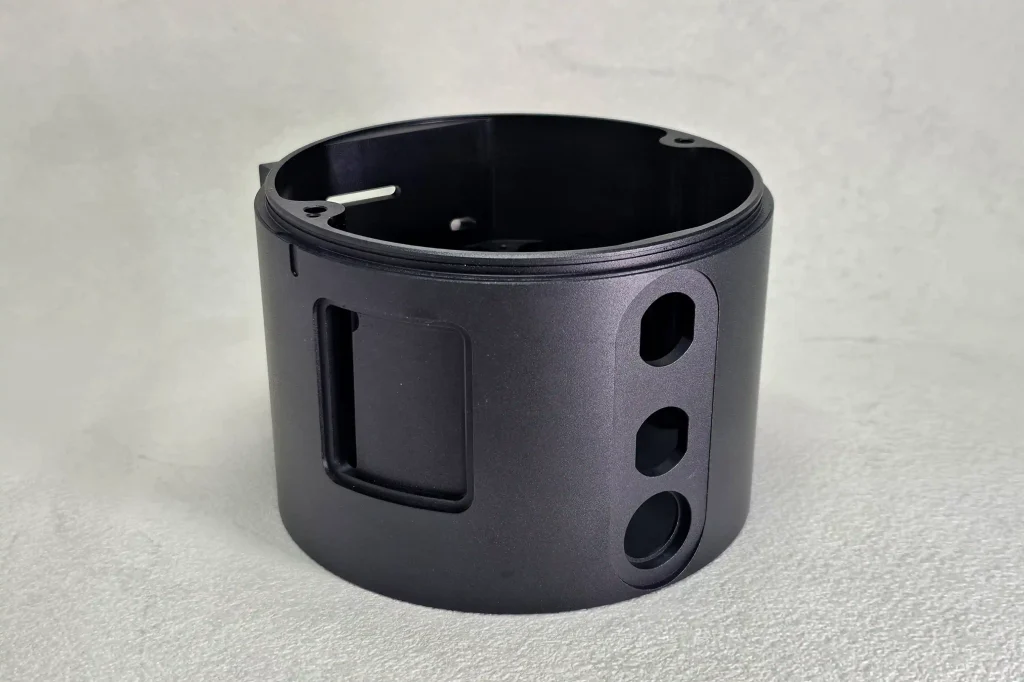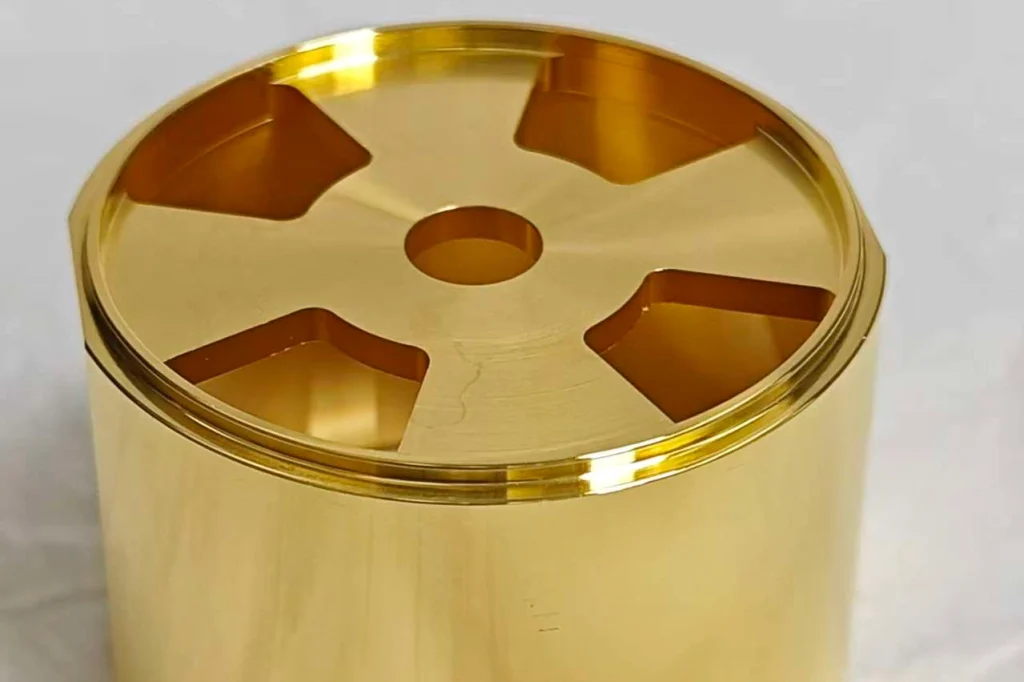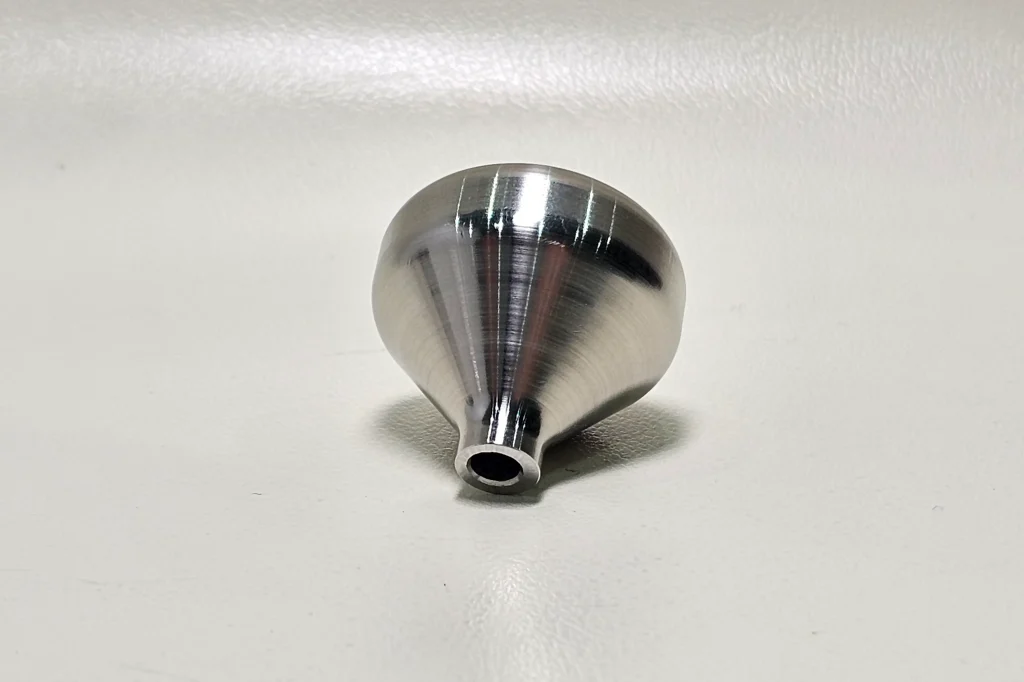
A drawing calls for a turned shaft, a corrosion-resistant manifold fitting, or a heat-treated wear component. The question is not simply which steel cuts fastest; it is which steel can be machined efficiently and still meet the part’s service requirements after manufacturing.
There is no single best steel for machining. A free-machining grade may give excellent chip control, surface finish, and tool life, but lack the strength, corrosion resistance, weldability, or heat-treatment response the finished component needs. Conversely, an alloy or stainless steel may require more deliberate machining conditions but be the better engineering choice in service.
The comparison below focuses on the trade-offs engineers usually face: machining ease, part performance, service environment, and material condition.
What Makes a Steel Good for Machining?
A steel that machines well generally produces manageable chips, allows stable cutting, limits rapid tool wear, and can achieve the required surface finish without excessive secondary operations. However, the same steel may still be a poor choice if the part must resist corrosion, survive cyclic loading, be welded, or be heat treated to a specific hardness.
Several factors determine the machinability of steel:
- Hardness: Higher hardness often increases cutting forces and abrasive tool wear. A soft but tough, gummy steel can form long chips and build up material on a cutting edge.
- Toughness and ductility: Tough steels resist fracture, which is useful in service but can make chip control more difficult. Long, continuous chips can interrupt automated machining, mar finished surfaces, and create handling risks.
- Alloying elements: Carbon, chromium, nickel, molybdenum, manganese, sulfur, lead, and other additions alter both service properties and machining behavior. For example, sulfur additions in certain free-machining steels promote chip breakage. Alloying elements can change hardness, toughness, work hardening behavior, and thermal response, which in turn affect machining conditions.
- Heat generation: Materials that retain strength at elevated cutting temperatures can generate high heat at the tool-workpiece interface. That can accelerate flank wear, crater wear, built-up edge, and distortion in thin or tightly toleranced parts.
- Chip formation: Short, controlled chips are usually preferable in CNC production. Free-machining steels are formulated partly to improve chip breaking. By contrast, many austenitic stainless steels tend to produce long, stringy chips unless tooling, coolant delivery, and cutting conditions are well managed.
- Material condition: Annealed, normalized, cold-drawn, pre-hardened, quenched-and-tempered, and aged material can all machine differently even when they share the same nominal grade. A 4140 component machined in annealed condition behaves very differently from 4140 supplied pre-hardened or machined after hardening.
Free-machining grades are formulated to improve chip control and cutting consistency, while higher-strength alloy steels and work-hardening stainless grades usually require more demanding process control.
 Common Steel Grades for Machining Compared
The following grades are common reference points when selecting steel for CNC machined parts.
| Steel Grade | Machining Characteristics | Main Advantage | Key Consideration |
| 12L14 | Excellent free-machining behavior; short chips, good surface finish, and high turning productivity | Efficient production of intricate, high-volume turned parts | Lead content and relatively limited mechanical properties can restrict use; it is generally a poor choice where welding, high structural loading, or application-specific material restrictions apply |
| 1215 | Free-machining carbon steel with good chip control, commonly used for screw-machine-type work | Productive machining without lead | Mechanical performance and weldability must still be evaluated for the application |
| 1018 | Low-carbon, general-purpose steel with relatively straightforward machining and good weldability | Widely available, economical material for general components | Lower strength and hardenability than medium-carbon or alloy steels |
| 1045 | Medium-carbon steel with higher strength potential than 1018 | Useful balance of strength, cost, and general-purpose performance | Typically requires more cutting effort than lower-carbon steels; heat treatment and condition matter |
| 1144 | Resulfurized, higher-strength machining steel often supplied for good dimensional stability | Good machinability with better strength than basic low-carbon grades | Sulfur-enhanced machinability can affect suitability for welding, forming, and certain fatigue-critical applications |
| 4140 | Chromium-molybdenum alloy steel with practical machinability in softer conditions | Strong combination of strength, toughness, and heat-treatment capability | More demanding than free-machining grades, especially in pre-hardened or hardened condition |
| 303 | Free-machining austenitic stainless steel, commonly modified with sulfur for better machinability | Easier machining than many corrosion-resistant stainless grades | Lower corrosion resistance, weldability, and formability than 304 or 316 in many applications |
| 304 | Austenitic stainless steel with good general corrosion resistance | Broadly used for corrosion-resistant components | Work hardening and stringy chips can make machining more demanding than 303 |
| 316 | Austenitic stainless steel with improved resistance to pitting and crevice corrosion in many environments | Better choice than 304 where chloride exposure or more aggressive corrosion is a concern | Generally more demanding to machine than 303 and often than 304 |
| 416 | Free-machining martensitic stainless steel | Good machinability for a stainless component and heat-treatment capability | Corrosion resistance is not equivalent to 304 or 316; final condition and heat treatment affect properties |
| 17-4 PH | Precipitation-hardening stainless steel with useful strength and corrosion resistance | Strong corrosion-resistant parts where higher mechanical performance is needed | Machining becomes more demanding as the material is aged to higher-strength conditions |
How to Choose Steel for Different Applications
Start with the part’s required function, then work backward to the material and machining plan.
For High-Volume Machining
Consider 12L14, 1215, or 1144 when production efficiency, chip control, repeatable turning, and finished surface quality are major priorities.
12L14 is frequently selected for high-volume, precision-turned parts such as fittings, spacers, bushings, fasteners, and small hardware where demanding structural performance is not the main requirement. Its lead addition supports excellent machinability, but the grade may be unsuitable where welding, material-compliance, or end-use requirements restrict leaded steels.
1215 is a lead-free free-machining carbon steel that can be considered when leaded grades are restricted. 1144 can be useful when a part needs more strength than a basic low-carbon grade while retaining favorable machining characteristics.
A free-machining steel may be ideal for a complex, high-volume turned fitting, yet unsuitable for a heavily loaded linkage, welded structural bracket, or part with strict material-compliance requirements.
For General-Purpose Components
1018 and 1045 are common choices for general carbon steel machining.
1018 is often selected when cost, availability, weldability, and straightforward fabrication matter. It can suit brackets, pins, shafts, mounting features, and general machine components where high hardness or high strength is not essential.
1045 is a more practical candidate when the part needs greater strength or a higher carbon content for certain heat-treatment approaches. It is commonly considered for shafts, pins, gears, and mechanical components where 1018 may be too soft. The trade-off is that 1045 generally requires more cutting effort and may have greater burr-control, finish, or distortion considerations depending on stock form and condition.
For Higher-Strength Components
4140 is often a practical choice when strength, toughness, fatigue performance, and heat-treatment capability matter more than maximum machining ease. It is commonly used for shafts, axles, fixtures, tooling components, mechanical couplings, and loaded machine parts.
4340 may be considered when the design calls for a higher level of toughness and hardenability than 4140 can provide in the relevant section size and heat-treatment condition. Both grades require the machining plan to account for material condition.
For Corrosion-Resistant Stainless Parts
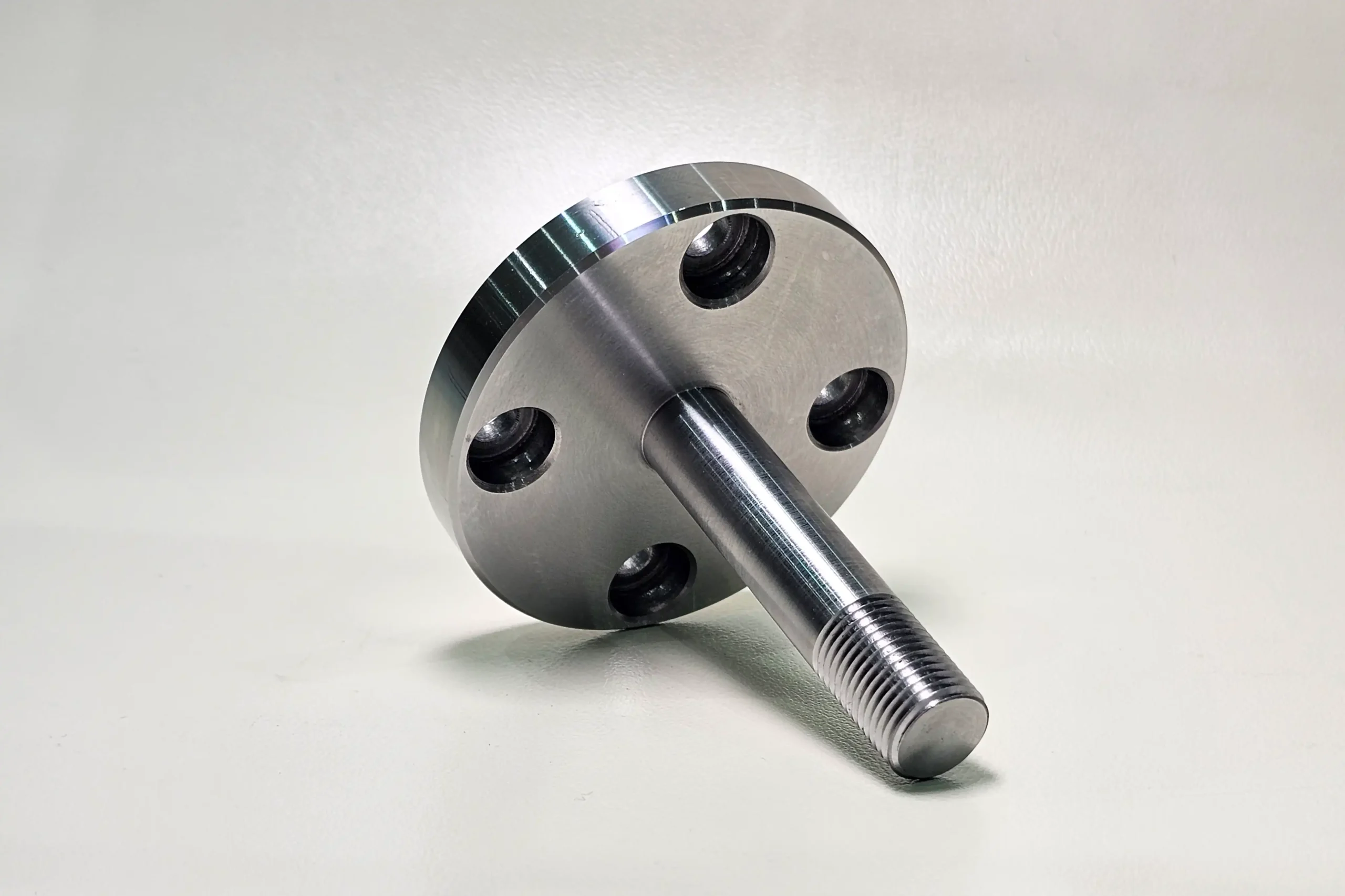
303 is suitable when machining efficiency is important and the corrosion environment is moderate. It is often a good option for machined screws, fittings, shafts, valves, and instrument components that need stainless behavior but are not exposed to the most aggressive environments.
304 is a common general-purpose corrosion-resistant stainless steel. It is often selected for equipment, housings, food-related equipment components, and general industrial applications. It can be more difficult to machine than 303 because it tends to work harden and can form tougher chips.
316 is frequently considered when the application needs stronger resistance to chloride-related pitting and crevice corrosion than 304. Marine-adjacent service, chemical exposure, and chloride-bearing environments are common reasons to evaluate 316. The added corrosion performance can justify more demanding stainless steel machining.
416 is a free-machining martensitic stainless steel. It can be attractive for parts that need good machinability and the ability to develop higher hardness through heat treatment. Its corrosion resistance, however, should not be treated as interchangeable with 304 or 316. For a more detailed comparison, see our guide to 304 vs 316 stainless steel.
When strength and corrosion resistance are both required
17-4 PH is often selected for components that need corrosion resistance along with higher strength than conventional austenitic stainless grades provide. It is used in demanding mechanical applications, but the material condition must be specified clearly.
Carbon Steel vs Alloy Steel vs Stainless Steel for Machining
The broad steel family provides a useful first filter, but grade and material condition still determine the final decision.
| Steel Family | Typical Grades | Why It Is Selected | Machining Perspective |
| Carbon steel | 1018, 1045 | Cost, availability, weldability, and general-purpose mechanical performance | Machinability varies by carbon content, product condition, and required properties; 1018 and 1045 serve different strength-versus-machining trade-offs |
| Alloy steel | 4140, 4340 | Higher strength, toughness, wear resistance, fatigue performance, and heat-treatment capability | Greater mechanical performance often brings higher cutting forces, more tool wear, and stronger dependence on heat-treatment condition |
| Stainless steel | 303, 304, 316, 416, 17-4 PH | Corrosion resistance, environmental resistance, and application-specific mechanical properties | Machinability varies widely; 303 and 416 are comparatively machinable, while 304, 316, and aged 17-4 PH require more careful process control |
Carbon steel is often the starting point for economical, general-purpose CNC machined steel parts. Alloy steel becomes more relevant when the design needs a higher strength-to-size ratio, toughness under loading, or response to quenching and tempering. Stainless steel becomes the priority when corrosion, sanitation, weathering, or chemical exposure affects part life.
Do not generalize that stainless steel is always difficult to machine. Free-machining stainless grades exist, and stainless behavior differs significantly by family and grade. Comparative references identify 303 as a free-cutting austenitic grade and show more demanding machining behavior for 304 and 316.
Machining Considerations for Common Steel Grades
Material selection affects the CNC process plan. The stock condition, part geometry, tolerance scheme, and expected production quantity should all influence tooling and operation sequencing.
Free-machining steels
Free-machining steels are often valued for their ability to form short, manageable chips. This supports automated turning, reduces interruptions caused by chip wrapping, and can improve process consistency in parts with many threaded, drilled, bored, or turned features.
Carbon steels
Lower-carbon grades such as 1018 generally machine predictably and are forgiving for many common CNC operations. They can still create burrs around drilled holes, milled edges, and threads, particularly in thin sections or features that exit the material.
Medium-carbon 1045 usually produces higher cutting forces than 1018 and may require more attention to workholding rigidity and finishing operations. The selected product form matters: cold-finished bar, hot-rolled stock, normalized stock, and heat-treated stock can behave differently in the machine. The purchase order should therefore identify the applicable ASTM material specification and required delivery condition.
Surface finish depends on more than material grade. Tool condition, runout, coolant delivery, clamping stability, stock allowance, and the transition between roughing and finishing passes all affect the final result.

Alloy steels
For 4140, stock condition has a major effect on process planning. Annealed material is generally preferred for heavy stock removal, while pre-hardened or hardened stock increases cutting loads and tool wear. The detailed machining sequence should be planned around the specified final heat-treatment condition.
Annealed 4140 is generally easier to machine and grind, while pre-hardened 4140 is commonly supplied at around 28–32 HRC. The important engineering point is not the number alone: two 4140 purchase orders can require very different tooling, cycle times, and process routes if their supplied conditions differ.
For a heat-treated 4140 shaft, a manufacturer may rough machine in annealed condition, leave finishing allowance, heat treat, then finish machine or grind bearing journals and critical diameters. That process helps account for distortion and surface-quality requirements after heat treatment.
Stainless steels
Stainless steel machining requires attention to work hardening, heat concentration, chip control, and consistent tool engagement. Austenitic grades such as 304 and 316 can work harden if a cutting tool rubs, dwells, or repeatedly skims the surface rather than maintaining a stable cut. Work-hardened material can increase tool wear and make subsequent passes more difficult.
Stable workholding, sharp tools, reliable coolant access, and appropriate engagement are therefore important. Interrupted cutting, thin walls, deep cavities, and poor chip evacuation can make stainless parts more difficult than their nominal chemistry suggests.
Compared with 303, 304 and 316 usually require more attention to chip evacuation, coolant delivery, and consistent cutting engagement. The process should avoid rubbing or dwell, which can work-harden austenitic stainless steel before the next cutting pass.
17-4 PH
17-4 PH should be specified with its material condition and required final treatment in mind. In a solution-treated or lower-strength condition, it can be machined before final aging. Once aged to a higher-strength condition, cutting forces and tool wear generally increase.
The production sequence may be machine, heat treat, and finish machine or grind; or it may involve machining preconditioned material when distortion risk, delivery requirements, or part geometry favor that route. The appropriate choice depends on required hardness, tolerances, stock allowance, and part function.
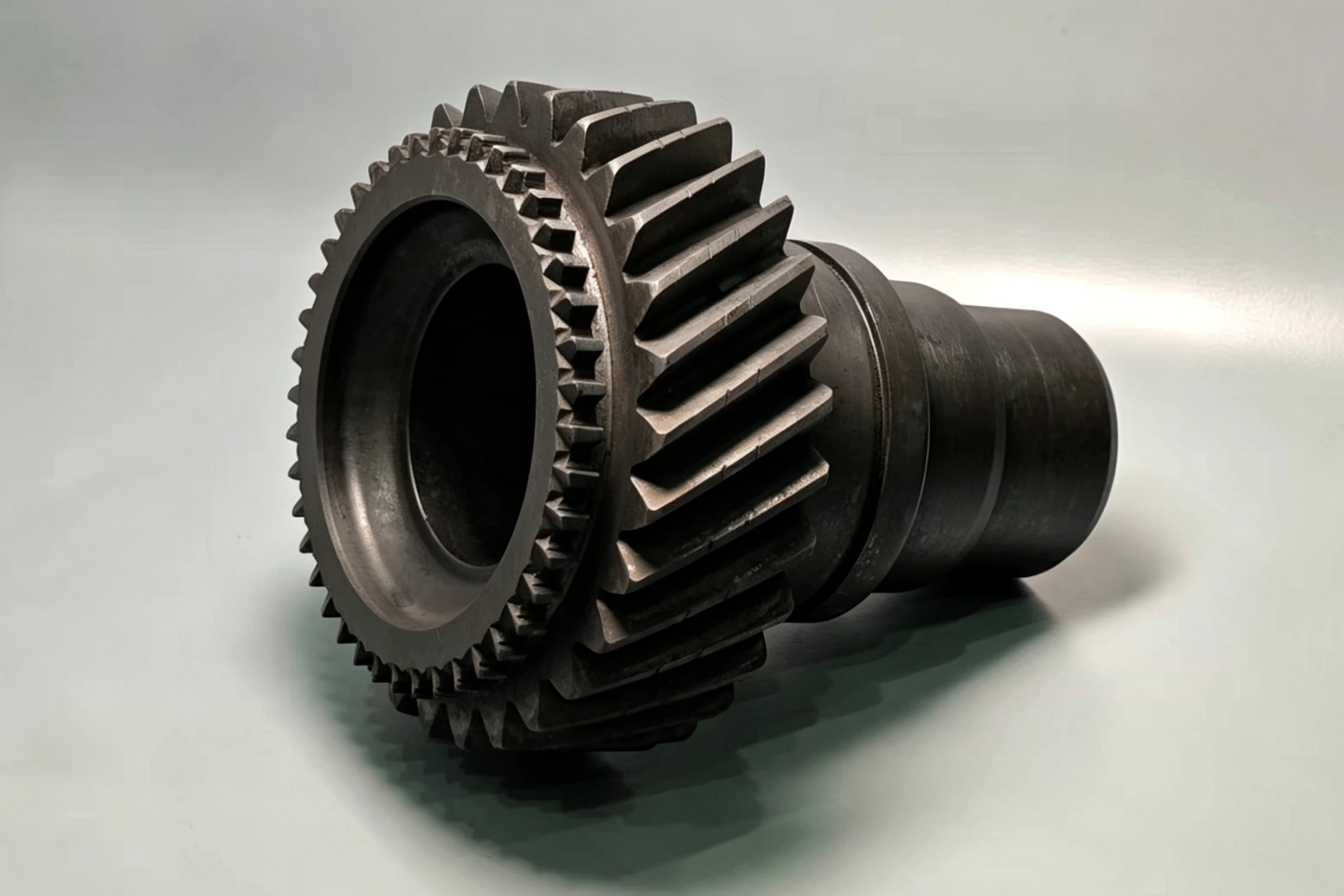
How Heat Treatment Changes Steel Machinability
The nominal grade on a drawing does not provide enough machining information by itself. Material condition may be just as important as grade.
In general, an annealed steel is softer and less internally stressed than a hardened version of the same steel. That often makes rough machining, drilling, milling, and feature generation more practical. Normalized material may offer a more uniform microstructure and can be selected when the manufacturer needs a balance of properties and machining behavior.
Pre-hardened material is supplied at a higher hardness than annealed stock. It can be useful when the component needs to be machined close to final dimensions without a later hardening step, but the machining operation becomes more demanding. Tool wear, cutting forces, cycle time, and risk of distortion from machining heat must be considered.
Fully hardened material is significantly more difficult to machine. Depending on hardness, geometry, tolerance, and surface-finish requirements, hard turning, grinding, EDM, or other finishing methods may become more appropriate than conventional bulk material removal.
4140 provides a practical example:
- Annealed 4140: Often selected when substantial machining is needed before quenching and tempering. It is generally the more favorable condition for complex CNC work.
- Pre-hardened 4140: Useful when the desired mechanical condition is already present in the stock, but machining requires more robust tooling and a more conservative process than annealed material.
- Hardened 4140: Can require hard machining or grinding for tight dimensions and critical surfaces. It is rarely treated as equivalent to machining annealed bar.
A common sequence is:
- Machine the part in annealed or otherwise machinable condition.
- Heat treat to develop the required strength or hardness.
- Finish machine, hard turn, or grind critical features where tolerance, surface finish, or distortion control requires it.
This sequence is common, not universal. Some components are machined in pre-hardened material to avoid distortion after heat treatment. Others require heat treatment before final machining because of dimensional stability, functional geometry, or customer specification. The correct sequence depends on the steel grade, final hardness, tolerance requirements, geometry, stock allowance, and validated manufacturing process.
Conclusion
The best steel for machining is not simply the easiest grade to cut. It is the one that meets the part’s performance requirements and remains practical to manufacture. 12L14 can make a high-volume turning job very efficient, while 4140 may make more sense when the part has to carry load or undergo heat treatment. Stainless grades add another trade-off: 303 favors machining, while 304 and 316 are often chosen when corrosion resistance carries more weight.
For CNC production, specify the grade together with its material condition. Annealed 4140 and hardened 4140 are very different machining jobs, and the same is true of 17-4 PH before and after aging. If heat treatment follows rough machining, leave the appropriate finishing allowance and plan the critical dimensions around the expected process distortion.
A DFM review early in the process can also help connect material selection with the actual manufacturing plan. Reviewing the drawing, machining sequence, critical tolerances, and post-machining requirements together can reveal potential issues before production begins.
FAQ
What is the easiest steel to machine?
12L14 is widely recognized as a highly machinable steel because its composition promotes chip breaking, good surface finish, and productive turning. However, it is not automatically the best choice for a finished part. Its lead content, limited suitability for welding, and application-specific material restrictions must be considered. For lead-free free-machining applications, 1215 may be an alternative worth evaluating.
What is the most common steel for machining?
There is no single most common machining steel because part requirements vary. 1018 is widely used for general-purpose low-carbon steel components, while 1045 is common where more strength is needed. 4140 is frequently selected for higher-strength alloy-steel parts. For corrosion-resistant components, 303, 304, and 316 are common choices depending on machining needs and the operating environment.
Is 4140 steel easy to machine?
4140 is generally machinable, but it is not as easy to machine as free-machining grades such as 12L14 or 1215. Its behavior depends strongly on condition. Annealed 4140 is usually more practical for substantial material removal, while pre-hardened and hardened 4140 require greater attention to cutting forces, tool wear, workholding, and finishing strategy. It is often selected because its strength and toughness justify the additional machining effort.
Is stainless steel harder to machine than carbon steel?
Some stainless steels are more demanding to machine than common carbon steels, particularly austenitic grades such as 304 and 316 because of work hardening, heat generation, and chip-control challenges. However, stainless machinability varies considerably. 303 and 416 are formulated for better machinability than many other stainless grades. The correct comparison is grade- and condition-specific, not simply stainless versus carbon steel.
Does heat treatment make steel harder to machine?
Often, yes. Heat treatment can increase hardness and strength, which typically raises cutting forces and accelerates tool wear. It can also change dimensional stability and influence the finishing process. Annealed steel is generally easier to machine than pre-hardened or fully hardened material. Still, manufacturers do not always machine before heat treatment; the best sequence depends on the grade, final hardness, geometry, tolerance requirements, and risk of distortion.