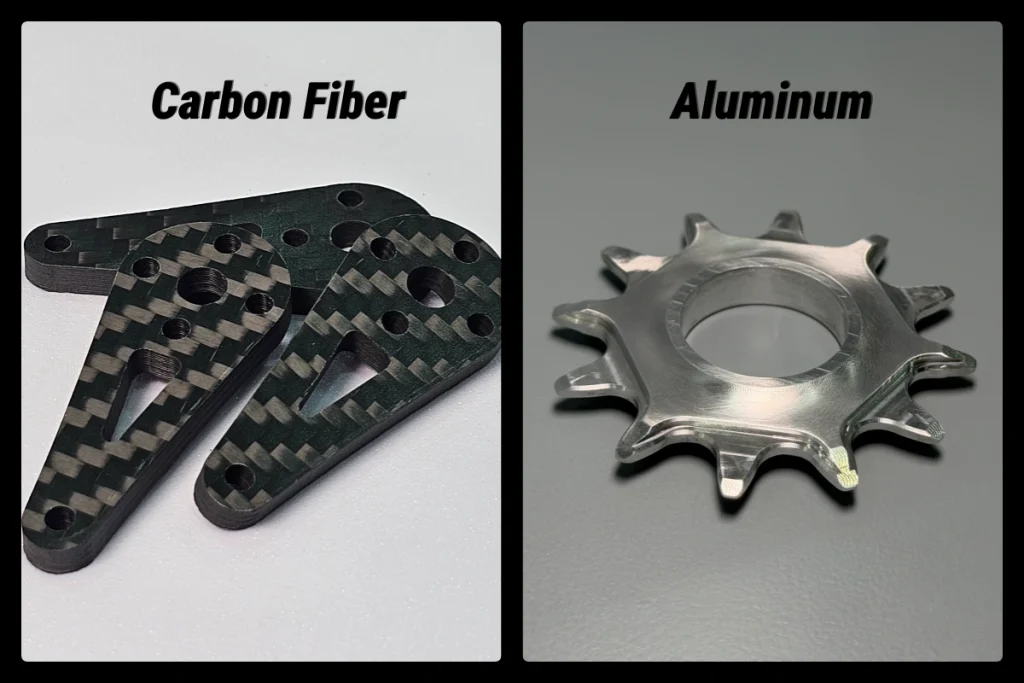
A lightweight beam and a precision motor housing ask different things of a material. For the beam, stiffness at low weight may dominate. For the housing, mounting accuracy and heat transfer may matter more. That difference is where an aluminum vs carbon fiber comparison should begin.
Carbon fiber reinforced polymer (CFRP) can offer strong weight-specific performance when its laminate suits the loads. Aluminum can simplify machining, connections, and design revisions. This guide looks at where each makes sense, what can change the decision, and which manufacturing details to discuss with your supplier.
Carbon Fiber vs Aluminum: Key Properties Compared
Carbon fiber and aluminum should be compared against the part’s limiting requirement. A lightweight beam may be governed by deflection, a mounting bracket by loads around its holes, and an electronics housing by heat dissipation. The most useful comparison is therefore not simply which material is stronger, but which properties the design actually needs.
| Property | Aluminum alloys | Carbon fiber composites | What to check |
|---|---|---|---|
| Strength | Provides relatively consistent properties in different directions; strength varies by alloy and temper. | Very strong along fiber directions, but weaker across layers and in some shear or compression loads. | Identify the main load directions and check bearing, shear, and attachment strength. |
| Stiffness | Isotropic behavior makes stiffness more predictable; part geometry controls deflection. | Layup can be tailored for stiffness in specific directions, but off-axis stiffness may be lower. | Compare deflection under the same loads, especially around joints and unsupported spans. |
| Weight efficiency | Higher density means weight reduction often requires material removal or thinner sections. | Can reduce weight substantially when fibers align with the main load paths. | Compare finished-part weight at the same load, stiffness, and safety requirements. |
| Impact damage | Dents and yielding may be visible, helping identify some impact damage. | Internal delamination or fiber breaks may occur without obvious surface marks. | Consider impact severity, inspection access, and replacement criteria. |
| Fatigue | Notches, surface finish, corrosion, and cyclic stress affect service life. | Layup, interfaces, defects, and cyclic loading direction affect service life. | Evaluate real load cycles and stress concentrations, especially at joints. |
| Environment | Corrosion depends on alloy, finish, and exposure conditions. | Resists metallic corrosion, but resin can degrade; contact with aluminum may cause galvanic corrosion in wet conditions. | Check moisture, chemicals, temperature, and electrical isolation at interfaces. |
| Thermal behavior | Conducts heat well and expands predictably with temperature. | Heat conduction and expansion vary by fiber direction and resin system. | Favor aluminum for heat dissipation; assess CFRP carefully when temperature or dimensional stability is critical. |
Strength describes a material’s ability to withstand a specified type of loading without failure, while stiffness describes its resistance to elastic deformation under load. Strength-to-weight ratio compares strength relative to density, but does not indicate how far a finished part will bend. Component geometry matters too.
CFRP is anisotropic: its properties vary with direction. Fiber orientation, laminate construction, resin, and manufacturing quality determine performance, so an along-fiber tensile value cannot represent every loading condition. Aluminum properties also vary by alloy, temper, and product form. For a closer look at alloy selection, see our 6061 vs 7075 vs 5052 aluminum comparison.
Use the table to identify which properties matter, then verify them using data for the selected alloy or laminate under relevant service conditions. Material properties alone do not establish the strength, stiffness, or durability of the finished component.
How Much Lighter Is Carbon Fiber Than Aluminum?Typical aluminum alloys have a density of about 2.7 g/cm³, while many carbon fiber composites fall around 1.5–1.8 g/cm³, depending on fiber content, resin system, and laminate construction. At the same volume, this corresponds to roughly 33%–44% lower material mass for the composite.
For a simple comparison, an aluminum sample weighing 100 g would weigh roughly 56–67 g if made from CFRP at the same volume.
Finished-part savings will differ. Wall thickness, fiber orientation, reinforcement, inserts, and connections all affect weight. Compare complete designs that meet the same strength, stiffness, and assembly requirements, not material density alone.
Carbon Fiber vs Aluminum: Manufacturing and Cost
CNC machining aluminum
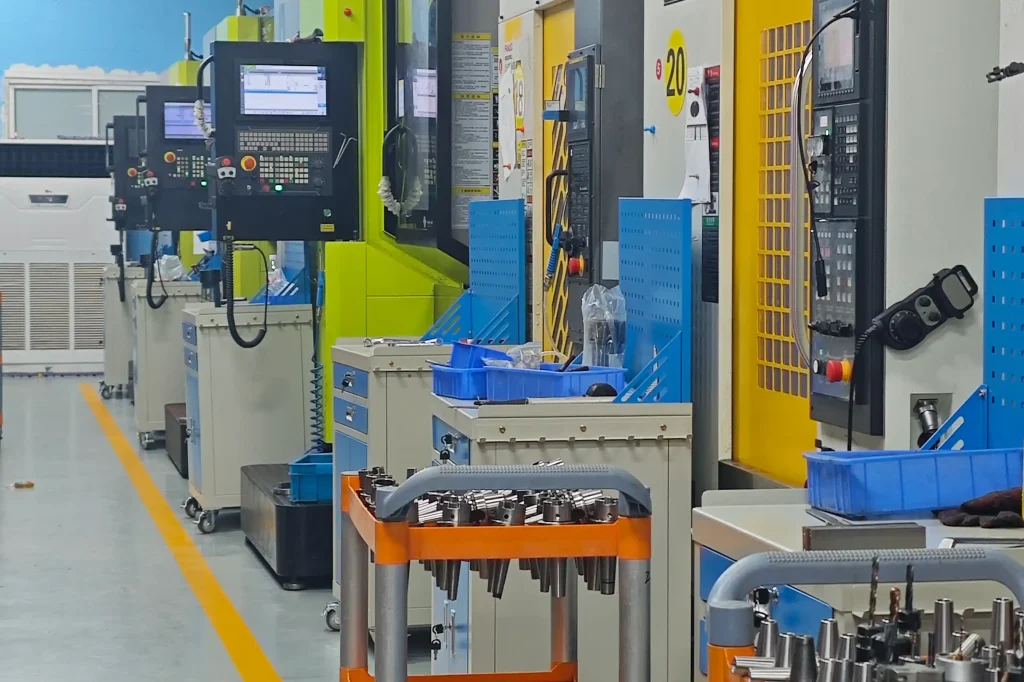
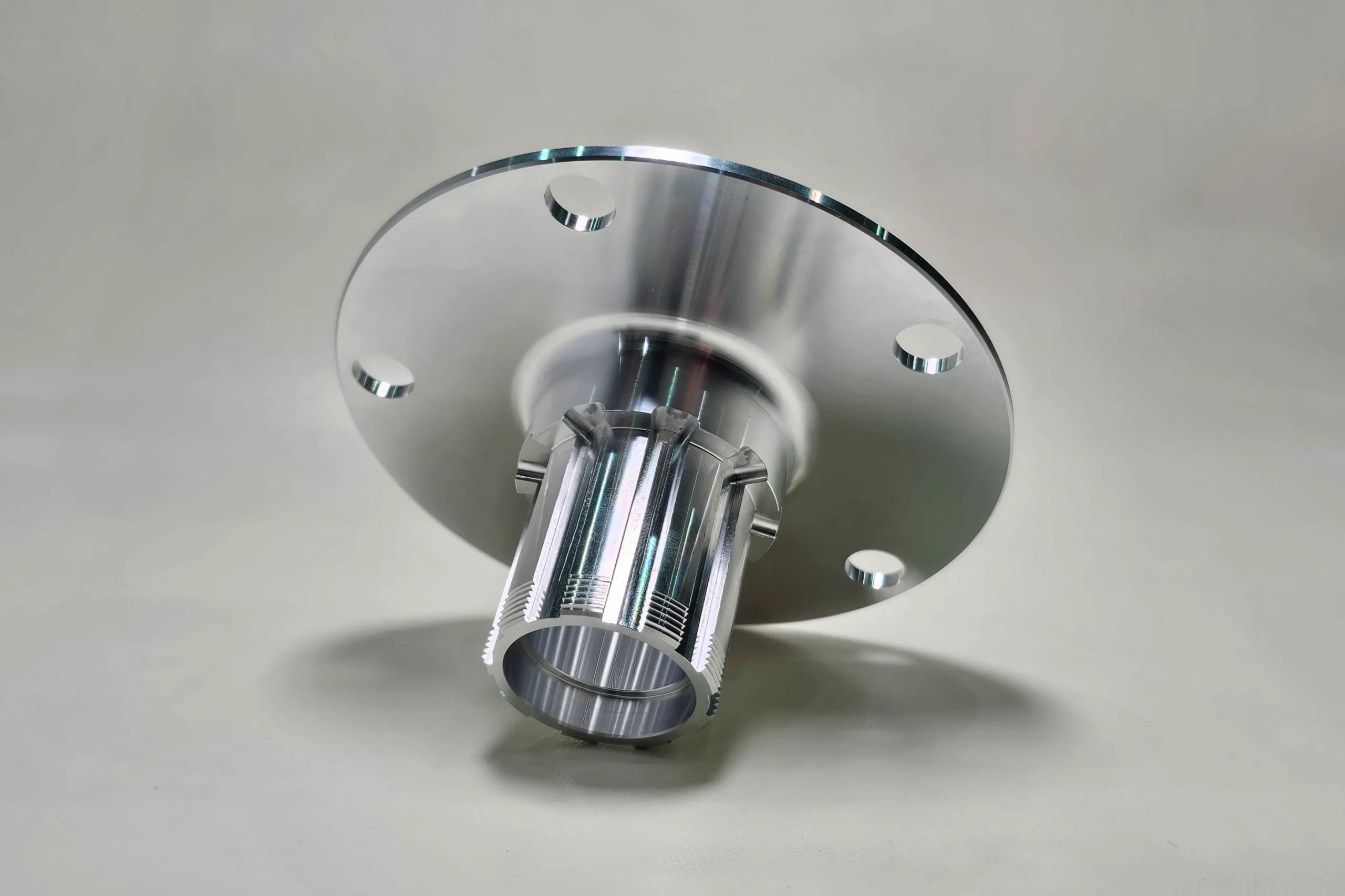
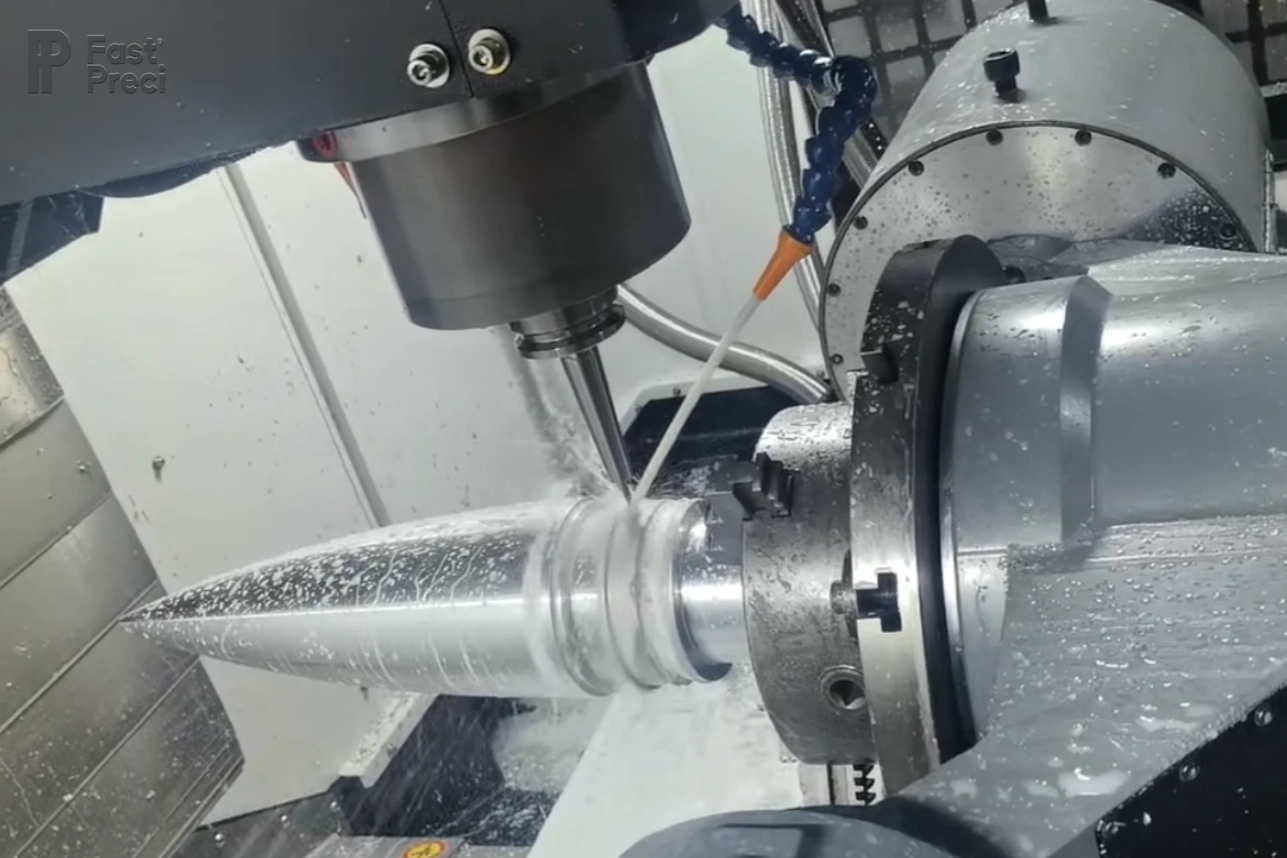
CNC machining aluminum suits parts combining pockets, contours, precision bores, tapped holes, and mounting surfaces. Milling creates prismatic and sculpted features; turning suits rotational features. Functional tolerances should follow assembly needs rather than applying maximum precision everywhere.
The manufacturing plan must include stock removal, workholding, finishing, and inspection. Deep pockets, inaccessible features, and thin walls can complicate production. FastPreci’s pocket milling design guidelines provide additional context for reviewing tool access and cavity geometry.
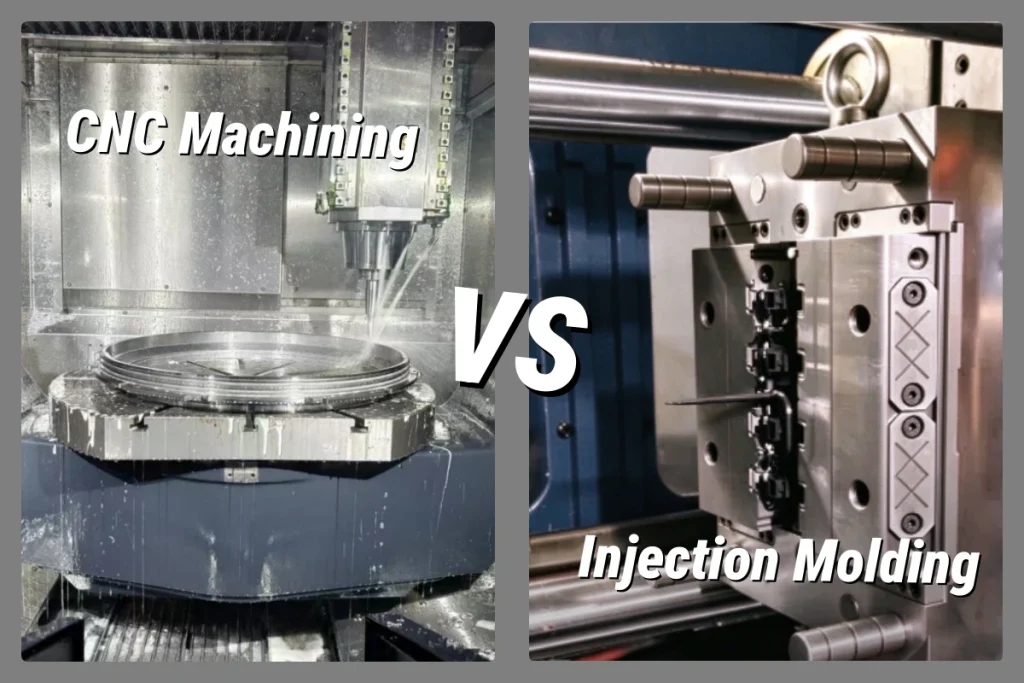
For prototypes and small runs, machining can avoid dedicated molding tools and accommodate revisions through updated programs or fixtures. However, a heavily hollowed billet or difficult setup can still be expensive.

Manufacturing carbon fiber composite parts
Structural CFRP production starts with laminate design and an appropriate forming route. Depending on the system, this may involve layup, resin infusion, molding, vacuum consolidation, and controlled curing. Fiber placement, consolidation, and cure quality help determine the resulting material properties.
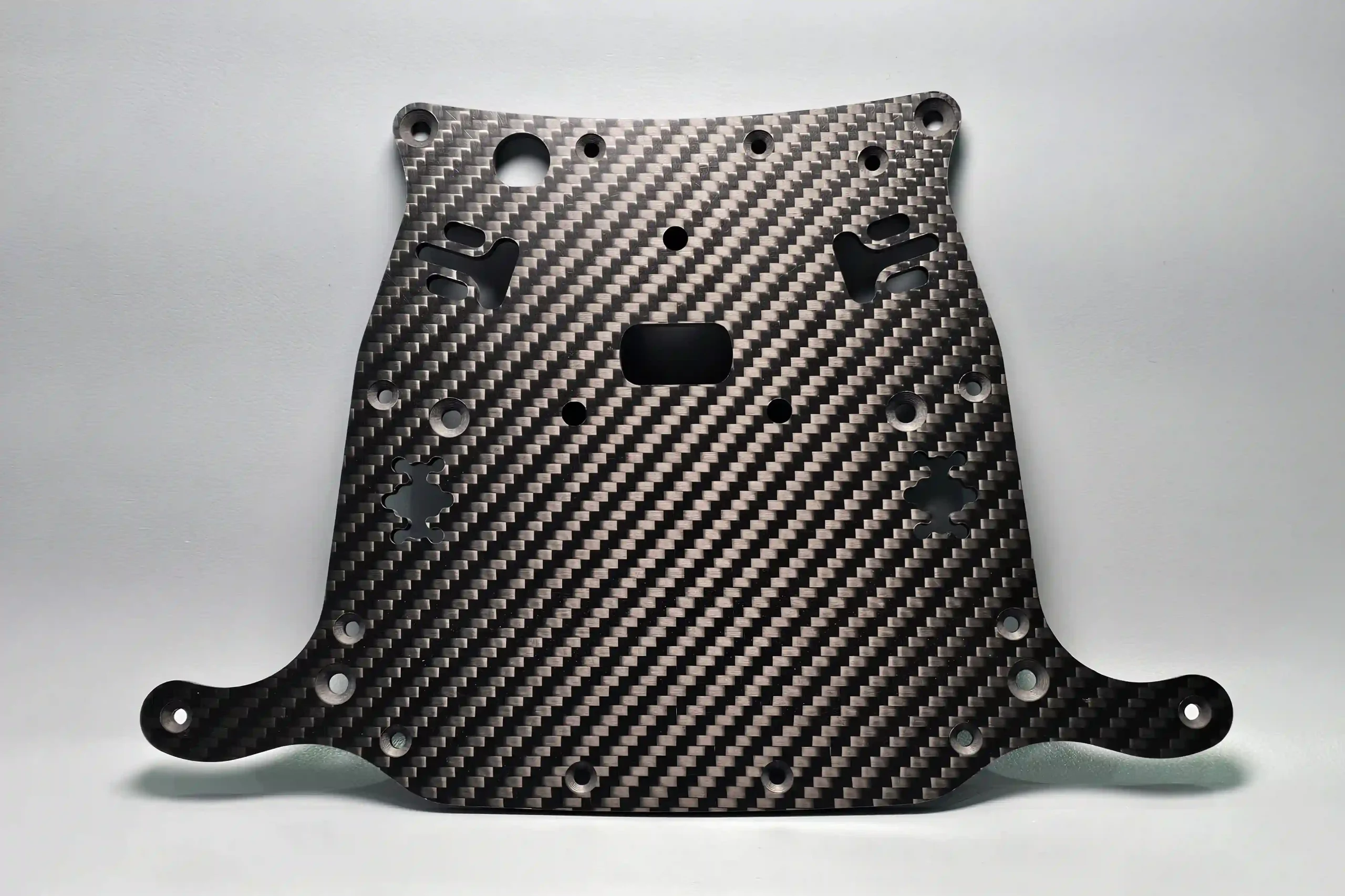
CNC machining carbon fiber generally means trimming a cured laminate or machining holes and edges. It does not replace the process that creates the structure. Abrasive fibers increase tool wear, while unsuitable cutting conditions can cause delamination, fiber pull-out, and edge damage. Tool geometry, sharpness, support, and dust-control provisions require specific planning.
Attachment points may need reinforced laminate regions or bonded inserts. Specify bearing loads, pull-out loads, tightening requirements, and inspection criteria before finalizing those interfaces.
For early-stage projects, our guide to carbon fiber prototyping explains the manufacturing routes and machining considerations to review before production.
Aluminum vs Carbon Fiber Cost
Aluminum stock generally costs less than cured CFRP. For a small-quantity retail comparison:
| Material | Approximate size | Example price |
| 6061-T6 aluminum sheet | 12 × 12 in, about 2 mm thick | About $20 |
| Cured CFRP sheet | 12 × 12 in, about 2 mm thick | About 65–70 |
These are illustrative retail prices, not industry averages. Equal dimensions do not imply equal structural performance.
Material price is only one part of total cost. Also consider:
- Tooling and setup: CNC programming and fixtures versus any required composite molds.
- Processing: Machining time, material waste, layup, and curing.
- Finishing and assembly: Surface treatments, inspection, inserts, and bonding.
- Volume and revisions: Setup amortization and the cost of changing the design.

Which Material Is Better for Different Applications?
The following are design starting points, not substitutes for engineering analysis.
| Application | Practical selection trade-off |
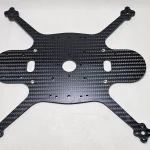
| Drones and aerospace structures | CFRP can suit weight-limited arms, skins, and beams with defined load paths. Aluminum can simplify fittings and concentrated-load interfaces. Include impact damage, joints, and inspection in the comparison. |
| Robotics and industrial equipment | CFRP may reduce moving mass in long links. Aluminum can simplify bearing seats, actuator mounts, and serviceable connections. Evaluate deflection and joint compliance, not weight alone. |
| Precision housings, brackets, and mounts | Aluminum often suits tapped holes, alignment features, and heat conduction. CFRP becomes attractive when structural mass matters more than integrated interfaces or heat spreading. |
| Automotive and bicycle components | CFRP can support lightweight shells and tailored structures. Aluminum may simplify replaceable mounts and mechanical interfaces. Impact exposure, repairability, production economics, and lifecycle requirements can determine the choice. |
These trade-offs follow from laminate directionality, composite damage behavior, aluminum machining options, and thermal requirements.
Aerospace and other safety-critical components require application-specific validation, material and process qualification, and compliance with applicable requirements. For aircraft composite structures, FAA guidance on composite aircraft structures addresses environmental effects, manufacturing variability, and damage tolerance when substantiating structural performance.
How to Choose Between Carbon Fiber and Aluminum
Aluminum is often the practical starting point when your part needs:
- Tapped holes, bearing seats, or precision mounting surfaces.
- Heat dissipation from motors or electronics.
- Frequent prototype revisions without custom molding tools.
It allows multiple mechanical interfaces to be machined into one component, which can simplify assembly and reduce the need for separate fittings.
Consider carbon fiber reinforced polymer (CFRP) when:
- Lower structural weight provides a meaningful performance benefit.
- The main load directions are known, so fibers can be oriented accordingly.
- Reinforcement and attachment points can be designed into the structure.
Verify the strength and stiffness of the proposed laminate, not just the carbon fibers. Include inserts, local reinforcement, and connections when assessing finished-part weight.
Before committing, compare both options against the same load, deflection, operating, and assembly requirements. Then evaluate total cost, including tooling, manufacturing, inspection, and joining.
A manufacturability review can help identify geometry, tolerance, and material issues before the design is finalized.
Conclusion
Carbon fiber makes sense when reducing structural weight justifies a tailored laminate and its manufacturing requirements. Aluminum is often the more straightforward option for precision features, threaded connections, heat dissipation, and prototype revisions. Compare complete designs against the same performance requirements, including assembly, inspection, and total manufacturing cost.
If you’re developing a custom part, share your drawings and critical requirements with FastPreci to discuss material selection, manufacturability, and CNC machining options. Start with what the part needs to do, then choose the material and process that fit.
Frequently Asked Questions
Is carbon fiber stronger than metal?
A CFRP laminate can exceed a particular metal’s tensile strength or stiffness in a selected direction, especially relative to weight. Results change with the metal grade, fiber orientation, laminate, loading mode, and test conditions. Bare-fiber properties are not finished-laminate design values.
Is aluminum easier to machine than carbon fiber?
Usually, aluminum is more straightforward for conventional milling, turning, and tapping. Machining cured CFRP requires attention to abrasive tool wear, fiber pull-out, edge quality, and delamination. Appropriate tooling, workpiece support, and dust control are important. Machining also cannot correct an unsuitable laminate design.
Which material is better for low-volume production?
Aluminum often suits low-volume parts with complex precision features because machining avoids dedicated molds. CFRP can also work well when stock plate, tube, or simple tooling meets the requirements. Compare setup costs, complexity, quantity, inspection, assembly, and expected revisions rather than choosing by material price alone.
Can carbon fiber and aluminum be used together?
Yes. Hybrid assemblies can combine CFRP structures with aluminum inserts, fittings, or mounting interfaces. Assess joint loads, bond preparation, clamping, and differential thermal expansion. Electrically connected carbon fiber and aluminum can create galvanic corrosion risks in moisture, so isolation and environmental protection require deliberate design.
Why is carbon fiber preferred over aluminum for some aerospace parts?
Carbon fiber composites can provide high strength and stiffness relative to weight, with fiber orientations tailored to the main loads. This makes them attractive for weight-sensitive structures such as wings and fuselage panels. However, suitability depends on validated laminate designs, manufacturing quality, environmental resistance, and damage-tolerance requirements.