Copper earns its place in a design when current or heat needs a reliable path through the part. The harder decision is which copper grade to specify—and whether the geometry can be machined without compromising critical edges, dimensions, or surfaces. This article covers the grades commonly used for copper CNC machining, the trade-offs between them, and the production details worth discussing with a manufacturer.
Is Copper Suitable for CNC Machining?
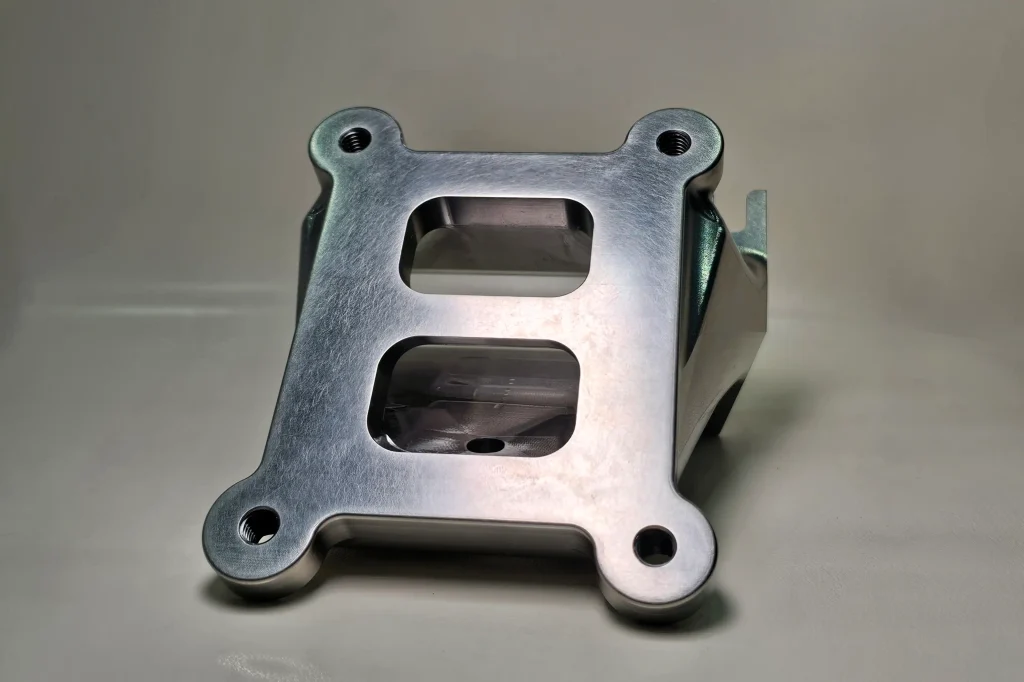
Yes. Copper can be CNC machined into custom electrical, thermal, and conductive components. Its high electrical conductivity makes it useful for current-carrying parts such as busbars, connectors, and terminals. Its high thermal conductivity makes it attractive where a machined component must move heat away from an interface or through an assembly. Copper also offers corrosion resistance and ductility, while being relatively soft compared with many engineering metals.
Those properties make copper useful, but they do not make it interchangeable with aluminum, brass, or steel. An aluminum component may be preferable when weight is central to the design. Brass may be attractive when the electrical requirement is less demanding. Steel may be chosen primarily for mechanical performance. Copper is most compelling when conductivity is important enough to justify its material and manufacturing trade-offs.
Common Copper Grades for CNC Machining
The choice of copper grade affects both part performance and machinability. C10100 (C101), C10200 (C102), and C11000 (C110) are commonly considered for high-conductivity parts. C14500 (C145) is a tellurium-bearing copper grade that machines more easily, with some trade-off in conductivity.
| Grade | What it is and its main characteristic | Typical application and reason to consider it |
| C10100 | Oxygen-free electronic copper with a minimum copper content of 99.99% and tightly controlled impurities | High-conductivity electrical parts and applications with demanding purity or oxygen-content requirements |
| C10200 | Oxygen-free copper with a minimum copper content of 99.95% | Electrical conductors and components for which an oxygen-free grade is specified |
| C11000 | Electrolytic tough-pitch copper with a minimum copper content of 99.90% | Busbars, contacts, and terminals requiring high conductivity |
| C14500 | Tellurium-bearing copper alloy with substantially improved machinability | Machined connectors, switch parts, and other conductive components with more demanding machining requirements |
The Copper Development Association lists electrical conductivity at 101% IACS for C10100 and C11000, compared with 93% IACS for C14500. IACS uses standard annealed copper as the 100% reference, so these figures describe electrical conductivity, not copper purity. On a separate relative machinability scale, C10100 and C11000 are rated 20, while C14500 is rated 85, indicating that C14500 is generally easier to machine. C10200 is also a high-conductivity, oxygen-free grade; its specified minimum electrical conductivity is 100% IACS in the annealed condition.

Copper 101 vs 110 vs 145: Which Should You Choose?
C101 and C110 have similar listed typical conductivity, so the choice between them often comes down to the specification rather than a large difference in conductive performance. C101 is oxygen-free electronic copper with tighter purity controls, while C110 is electrolytic tough-pitch copper with controlled oxygen content. Where oxygen content or subsequent processing is critical, C102 also belongs in the discussion as an oxygen-free option.
For electrical contacts, busbars, and terminals that need high conductivity but do not require oxygen-free copper, C110 may be suitable. A high-purity or oxygen-free requirement instead points toward C101 or C102, depending on the specified purity and processing conditions.
Connectors and switch components with intricate features present another trade-off. C145 is generally easier to machine than the grades above, which may make it worth considering when the part requires substantial cutting. Its lower listed electrical and thermal conductivity must still be acceptable for the finished component.
Material selection and machining requirements should be reviewed together. A thin-walled connector, for example, may place more weight on machinability and dimensional control than a solid current-carrying block. Conductivity still has to meet the design requirement, but the grade also needs to suit the specified tolerances, subsequent joining process, and service environment. Make those requirements clear on the drawing so the manufacturer can assess them before production.

What Makes Copper Difficult to Machine?
Copper can bend and smear where a less ductile material would cut cleanly. That behavior explains why burrs often appear at edges and why thin walls or small features can lose their intended shape during machining.
It can also stick to the tool and form a built-up edge. Once that happens, the tool no longer meets the workpiece in the same way, and the surface finish may become uneven. Poorly cleared chips can cause further interference.
High thermal conductivity does not mean heat-related machining issues disappear. Copper transfers heat readily, but friction and rubbing still generate heat at the tool–workpiece interface. Adhesion, recutting, and prolonged contact can affect tool condition and surface quality even while heat is being conducted away from the immediate cut.
Repeated deformation is another concern. When an edge rubs or presses material rather than shearing it effectively, the affected surface can work-harden locally and become more difficult to cut consistently. This is distinct from saying that every copper part will work-harden severely; the risk depends on the material and the cutting conditions.
Thin walls and small features offer little resistance to clamping and cutting forces. They may distort during machining or shift slightly after unclamping, affecting critical dimensions. Burrs around small holes or contact edges can create additional functional problems.

CNC Machining Tips for Copper Parts
A copper machining plan starts with the part drawing and material specification. From there, the manufacturer can assess tool geometry, fixturing, cutting conditions, and inspection needs against the features that matter most.
Start with sharp, appropriate cutting tools. In copper milling or copper turning, a clean shearing action helps limit dragging, smearing, and burr formation. Tool geometry should suit the specific operation and provide a way for chips to leave the cut. A worn or poorly matched edge is more likely to rub or accumulate material.
Ask how the process will maintain effective cutting engagement, particularly during finishing and around interrupted features. If the tool repeatedly skims the surface instead of cutting, friction and local deformation can undermine finish and consistency.
Coolant or lubrication should be selected for the operation, with attention to friction, heat management, and chip removal. Effective chip evacuation helps prevent material from being recut and interfering with the tool. The appropriate method depends on the setup and on any part-cleanliness requirements; a cooling approach should not be specified in isolation from the component’s later use.
Workholding deserves equal attention. A setup must restrain the part reliably without distorting it, especially where thin walls, small features, or exposed finished surfaces are involved. For delicate geometry, discuss where the part can be supported and which dimensions may change after unclamping. A rigid setup is useful only if it also preserves the intended shape.
For drilled features, ask how chips will be cleared as hole depth increases and how the process will avoid excessive rubbing. Small or deep holes may need a drilling strategy tailored to their geometry; the concern is maintaining a consistent cut without packing chips into the hole.
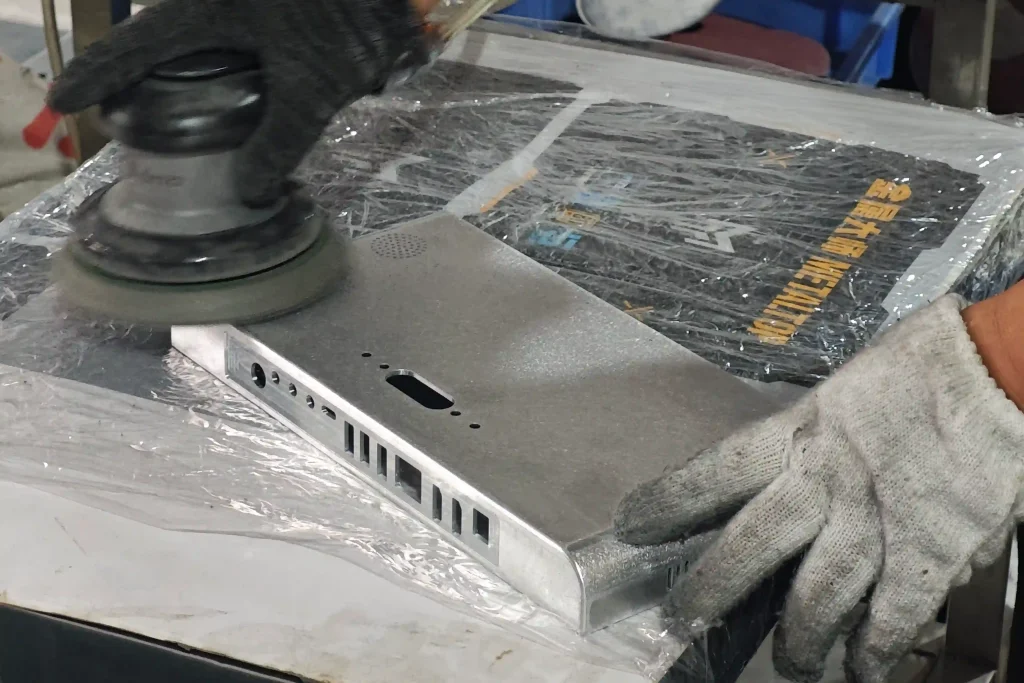
Copper parts may also need a surface finish for their intended use. Plating can protect exposed areas from corrosion, help maintain stable electrical contact, improve wear behavior at mating surfaces, or support soldering, depending on the coating. Tin, silver, and gold are used for different electrical applications; nickel may serve as an underplate, while palladium-based finishes may suit certain contacts. Identify the areas to be plated and any critical dimensions that must be met after finishing.
Define inspection requirements before machining, including critical dimensions, surface finish, and edges that must be free of problematic burrs. Check the part after deburring and any specified plating, particularly where thin sections could relax after unclamping or coating thickness could affect fit.
Copper Alternatives for CNC Machined Parts
A busbar may leave little room to compromise on conductivity. A bracket, housing, or other component with less demanding electrical or thermal requirements may give engineers more flexibility to consider brass, aluminum, or bronze.
| Material | When it may be worth evaluating | Trade-off to check |
| Brass | When easier machining and adequate conductivity matter more than maximum copper-level conductivity | Electrical and thermal performance depend on the brass grade and may be lower than required for a copper-specified part |
| Aluminum | When lower weight, machining ease, or cost considerations are important | Confirm that the chosen alloy and part geometry meet the actual electrical or thermal requirement |
| Bronze | When wear resistance or particular mechanical properties drive the design | Properties vary widely by alloy; do not assume a bronze can replace a high-conductivity copper grade |
Free-machining brass can ease production, and some bronze alloys better address wear-related needs. For a conductive part that is difficult to machine, C145 may offer a middle ground: easier machining than high-purity copper, with lower conductivity than C101 or C110.
Conclusion
Copper is valuable in CNC machined parts when electrical or thermal performance is central to the design. Grade selection matters because purity, oxygen content, conductivity, and machinability do not always point to the same material. Copper’s ductility and cutting behavior can also create burr, finish, and distortion risks, particularly in delicate geometry. Before production, review the application requirements alongside the drawing’s tolerances and features.
FastPreci can review the copper grade, part geometry, tolerances, and machining requirements before production to help identify manufacturability risks and suitable process options.
Copper CNC Machining FAQ
Can copper be CNC machined?
Yes. Copper can be milled, turned, and drilled into custom parts, though its ductility requires attention to cutting quality, burrs, and part support.
Is copper harder to machine than aluminum?
It can be, despite being relatively soft. High-conductivity copper’s ductility and tendency to smear or adhere to tools can make clean cutting more demanding; the comparison depends on the specific grades and features.
What is the difference between C10100 and C11000 copper?
C10100 is oxygen-free electronic copper with tighter purity controls. C11000 is electrolytic tough-pitch copper. Both offer high conductivity, but their oxygen content and applicable specifications differ.
Is C14500 easier to machine than C11000?
Yes. According to the Copper Development Association’s published machinability ratings, C14500 is rated 85 compared with 20 for C11000. Its electrical conductivity is lower, however, so the grade still needs to match the part’s performance requirements.
What tools are used for machining copper?
Manufacturers may use sharp milling cutters, turning tools, and drills with geometry suited to the operation. The choice depends on the copper grade, feature size, chip control, and required finish.
What surface finishes are used for CNC machined copper parts?
Tin, nickel, silver, and gold plating are common options. Palladium-based finishes may be considered for demanding electrical contacts. Select the finish based on contact performance, corrosion exposure, and soldering requirements, and account for coating thickness in the final dimensions.