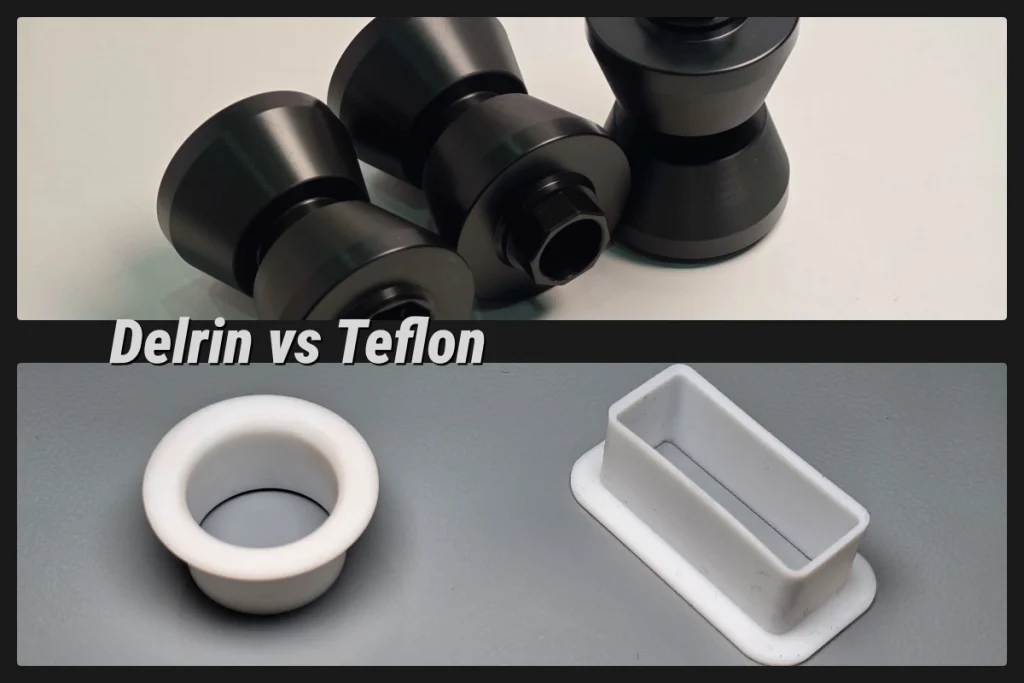
Custom machined parts are ideal when standard components cannot meet specific design, material, or dimensional requirements. Through custom CNC machining, engineers can produce parts to their exact specifications, whether for functional prototypes, specialized equipment, or small-batch production.
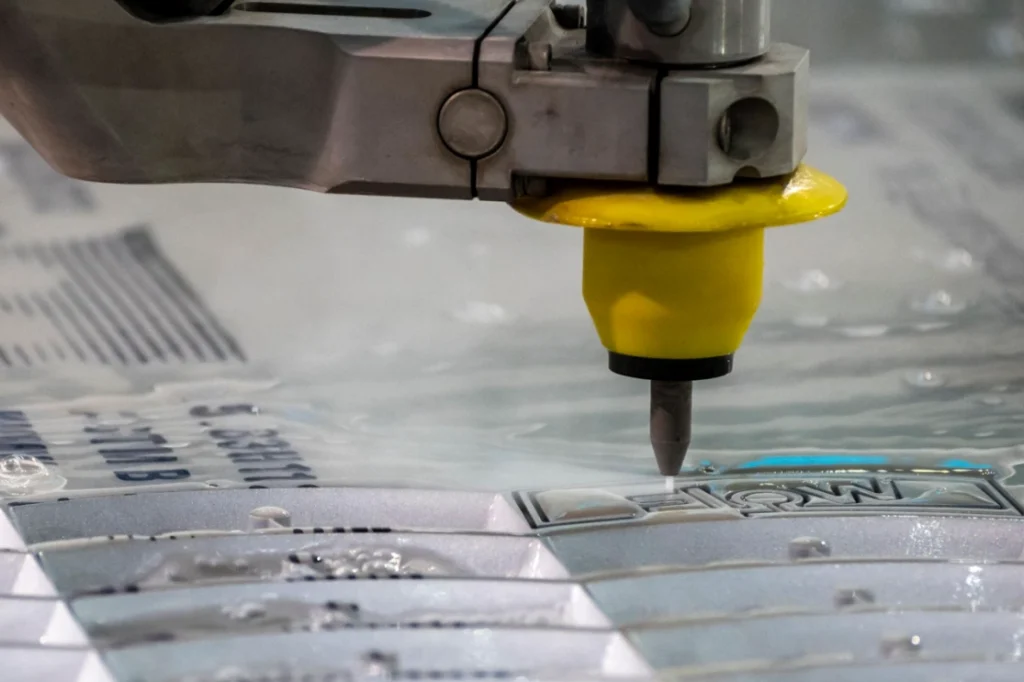
CNC machining removes material from metal, plastic, ceramic, and composite stock to create components with precise dimensions and complex features. Common examples range from aluminum brackets and stainless steel shafts to PEEK housings, ceramic insulators, and carbon fiber composite fixtures. These parts serve a wide range of industries, including aerospace, automotive, medical, robotics, and industrial equipment.
Modern CNC milling and turning technologies, including multi-axis machining, make it possible to produce complex geometries and maintain dimensional consistency across production runs. This guide explores the types of custom machined parts, available materials, machining processes, tolerances, and surface finishes to help you make informed manufacturing decisions.
What Is Custom CNC Machining

Simply put, custom CNC machining means making parts based on your intended drawing, not from a catalog. It produces parts without standard specifications. You can set size, tolerance, material, and features in the design.
For example, if you need ±0.01 mm tolerance, special threads, or a specific surface finish, the machining process is set up to meet those requirements. Typically, companies providing custom machining services work with a variety of materials such as aluminum and stainless steel, various engineer-grade plastics (ABS, PLA, Nylon, Polycarbonate), ceramics, and composites.
Custom machining provides design solutions to real-world problems, such as reducing weight, improving strength, or meeting tight or near-closed dimensional tolerances to fit within a very small assembly.
When to Choose Custom Machined Parts Instead of Standard Components
Standard machined parts are usually required for general purposes. They do not just fit the design, performance, or assembly requirements of many engineering projects. And that is when you need such custom machined parts more preferably.
Here are the usual cases when it is more appropriate to go with custom part machining.
Design, Fit, and Tolerance Limitations of Standard Parts
Catalog parts come in set sizes with standard tolerance levels. These are optimally used for simple assemblies, but not in cases where:
- Shaft runout must not exceed 0.01 to 0.02 mm.
- Sealing surfaces are subject to flatness or parallelism.
- Tolerances of press-fit or sliding-fit should be tight.
- Weight reduction is needed by means of internal machining.
- The mounting must be designed to fit specifically.
During the aforementioned situations, it is best to design to fit a standard part to avoid stress concentration, misalignment, vibration, or low service life.
Low-Volume, Prototype, and Specialized Production
Custom CNC components/parts are effectively used in prototype development and small-scale runs. After testing, you may be required to change the hole position, the wall thickness, or the material choice. Besides this, ordering large quantities of standard parts can slow production and cost more.
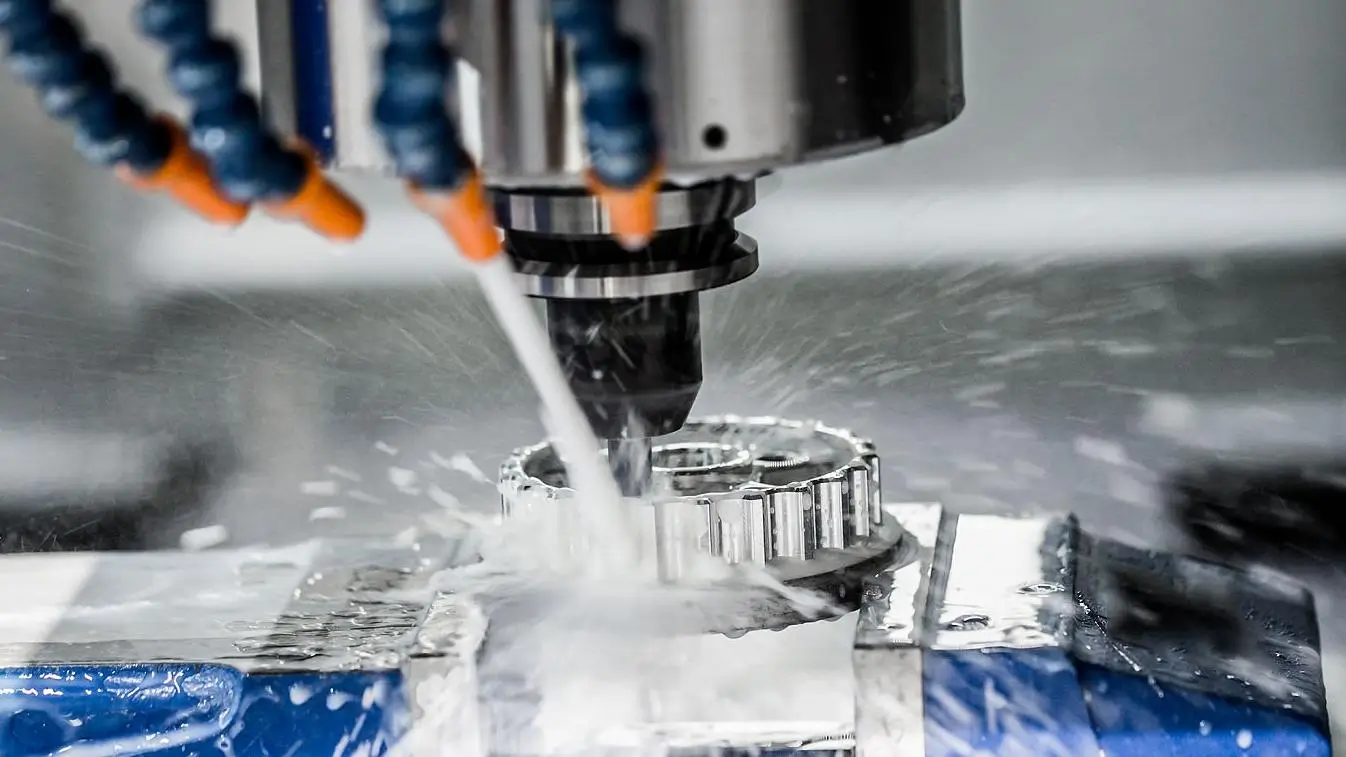 Using custom CNC machining, it is possible to:
- Create a small test (prototype) or production batches.
- Make design changes between versions.
- Test material compatibility and functionality before large-scale production.
Custom machining is often employed in the aerospace, medical devices, robotics, and industrial equipment industries, where the parts are individualized for a given component.
Types of Custom Machined Parts
Custom machined parts cover a wide range of components used in mechanical assemblies, industrial equipment, and specialized applications. Common examples include:
Brackets & Mounting Plates
Brackets and mounting plates are used to support, position, and secure components within mechanical assemblies. They often include mounting holes, slots, threaded features, and precisely positioned interfaces to ensure proper alignment and fit.
Shafts & Bushings
Shafts and bushings are common components in rotating and sliding mechanisms. Shafts transmit motion or torque, while bushings provide support and reduce friction between moving parts. Their dimensions, concentricity, and surface finish are important for proper assembly and operation.
Housings & Enclosures
Housings and enclosures protect internal components while providing mounting surfaces and structural support. They may require complex pockets, internal cavities, threaded holes, and precise mating features to accommodate motors, electronics, sensors, or other equipment.
Gears & Transmission Components
Gears, pulleys, and couplings transfer motion and power between mechanical components. Their geometry and dimensional accuracy directly affect engagement, alignment, and transmission performance. CNC machining is commonly used for custom transmission components with specific dimensions or design requirements.
Manifolds & Valve Bodies
Manifolds and valve bodies are used in hydraulic, pneumatic, and fluid-control systems. They typically contain intersecting passages, ports, threaded connections, and sealing surfaces. CNC machining allows these features to be produced accurately according to the required flow paths and connection layouts.
Complex Precision Components
Some applications require parts with complex contours, multiple angled features, deep cavities, or tight positional tolerances. Examples include impellers, custom fixtures, and specialized mechanical components. Multi-axis CNC machining can produce many of these features in fewer setups, helping maintain the alignment of critical surfaces.
Custom CNC Machining Techniques
The right technique choice depends on geometry, tolerance, material, and production volume. Below are the most common approaches used in custom CNC projects.
CNC Milling and Multi-Axis Machining Capabilities
Custom CNC milling is primarily employed for parts with plain surfaces, pockets, and slots, as well as more intricate 3D shapes/design. The workpiece is stationary or moves on programmed axes as the cutting tool rotates. Simple parts typically do not require 3-axis milling.
However, in cases where parts need angled features, deep cavity or complex contours/holes, multi-axis machines (4-axis or 5-axis) are preferred. These machines allow the tool to move the part in various positions without necessarily re-clamping it. Therefore, these enhance accuracy and minimize set-up errors.
CNC Turning for Cylindrical and High-Efficiency Components

CNC turning is well applicable for slender, round, or symmetrical items like threaded pins, shafts, and bushes. In operation, the material rotates, and the cutting tool remains fixed/stationary to cut the outer or inner diameter.
In case you need a round part, turning tends to be quicker and less expensive than milling. It is also suitable for maintaining high concentricity and surface finish on rotating parts.
Most custom precision-machined components, such as motor shafts or hydraulic fittings, are made by means of turning, as it provides stability of dimensional control and repeatability.
Generally speaking, turning and milling are frequently used together, as part of a larger custom machining solution. Especially when you need to finish features like a flat or a cross-hole.
Rapid Prototyping for Short Lead-Time Projects
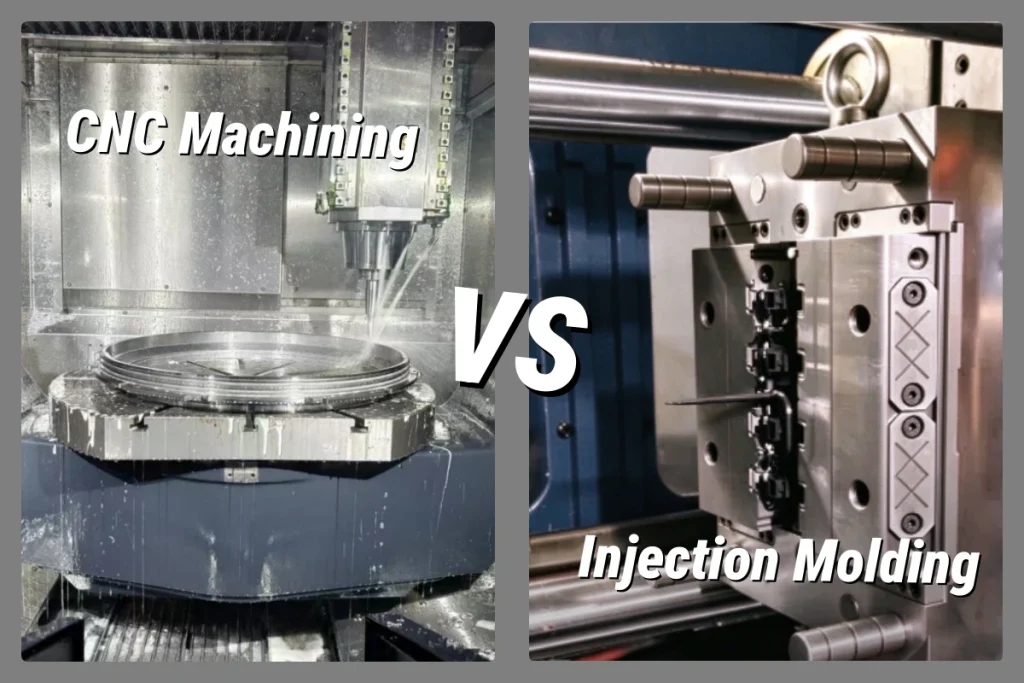
In addition to milling and turning, CNC machining is also employed to make prototypes. As opposed to tooling-based processes, it does not use molds, and this saves time during setups.
As a result, the service enables a prototype to be manufactured in a matter of hours (not in weeks), as long as the parts are simple in design and the material is readily available. This renders it convenient for design validation, assembly verifications, and functional testing. In short lead-time projects or early-stage product development, CNC machining is reliable.
Material Options for Custom Machined Parts
Choosing the right material is the most important step in custom machining. As the choice will likely affect part strength, weight, wear resistance, corrosion behavior, cost, and even machining time. A common trade-off is that higher-performance materials improve strength and corrosion resistance but often increase machining time and overall production cost. So, you need to strike a balance between production expense and part performance
Here are the common material options (metals, plastics, composites, and ceramics)
Metal Materials

Metals are typically selected when structural strength, impact resistance, and temperature stability are required. Let’s discuss a practical way to decide which metal fits your application.
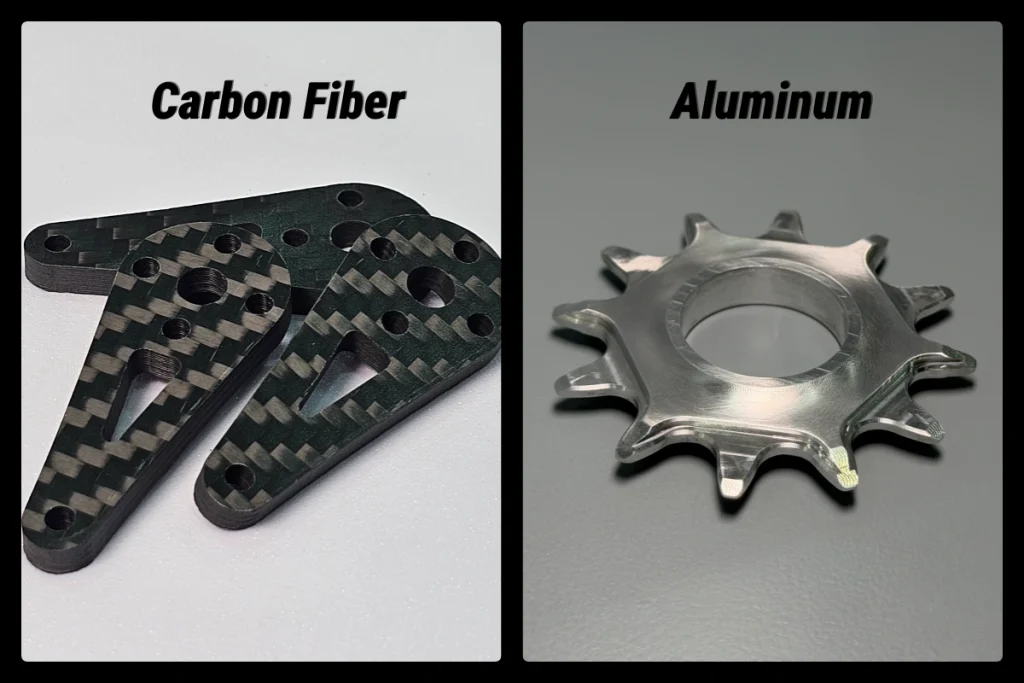
Aluminum is widely used because it is lightweight, corrosion-resistant, and easy to machine. Usually, custom aluminum parts are used in structural frames, housings, and mounting plates. It is typically preferred when;
- Lightweight parts are needed
- Parts need to perform under hostile conditions
- Quick machining and affordability are of concern
Carbon steel and alloy steel are best for stress or load-bearing components. They provide higher strength than aluminum but are relatively heavier in weight. These materials are ideally picked as they are
- Ideal for shafts, gears, and supports
- Better for high mechanical stress
- Often used in heavy-duty custom machined metal parts
Stainless steel is the right choice when corrosion resistance is critical, especially in wet or chemical environments. Engineers typically select because it is.
- Suitable for food, medical, and marine applications
- Strong and corrosion-resistant
- Used in long-life custom metal parts
Titanium is selected when both high strength and low weight are not optional characteristics. However, it is harder to machine and requires careful attention, as it has a tendency to work harden. Generally, it offers excellent performance.

- High strength-to-weight ratio
- High corrosion resistance under hostile environments
- Common in aerospace and medical custom titanium parts
Quick Decision-Making Tips:
- If reducing weight is the main goal, aluminum is usually the first option.
- If handling heavy loads, steel performs better.
- If corrosion is severe, stainless or titanium should be considered.
Engineering Plastics, Ceramics & Lightweight Composites
These materials are used when electrical insulation, chemical resistance, and reduced-weight components are needed.
Engineering plastics such as POM, Nylon, PTFE, and PEEK are easier to machine. Even these are lighter than most metals. Custom machined plastic parts are;

- Commonly used for wear parts and insulating components.
- Good for low-friction parts
- Resistant to chemicals
Ceramics are much more rigid and more heat-resistant than plastics. They are chosen for high-temperature and tough/extreme environments.
- Excellent hardness and wear resistance
- Electrically insulating
- Used in technical custom ceramic parts
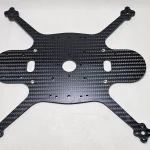
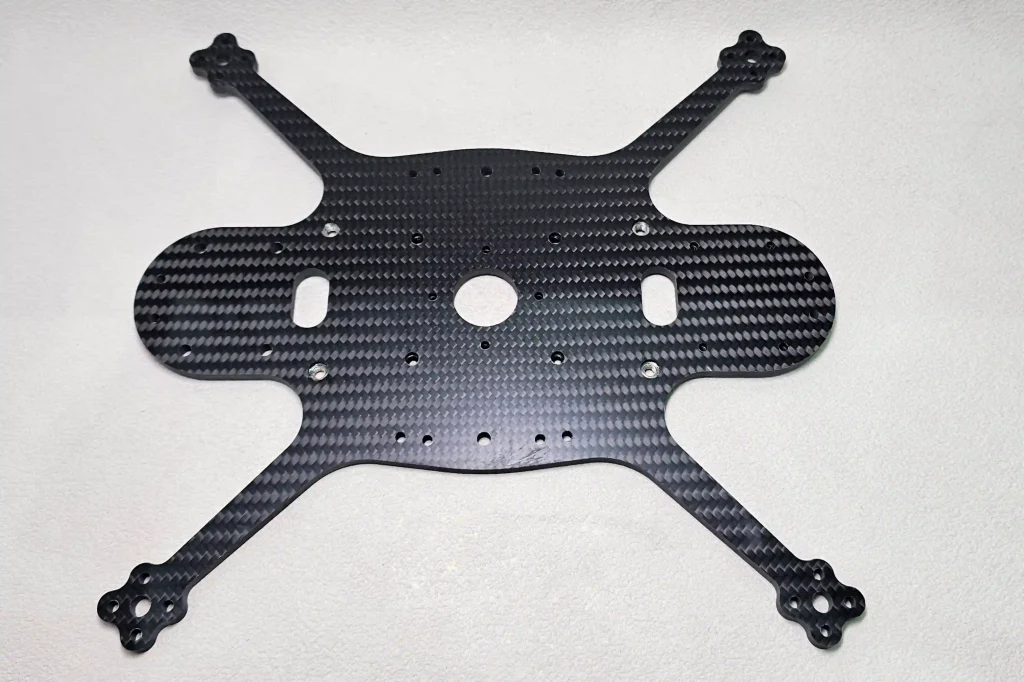
Carbon fiber composites are used when stiffness and weight reduction are both important. They are common in performance-driven industries. Engineers typically select carbon fiber composites when parts require a
- High strength-to-weight ratio
- Structural stiffness
Surface Finishing Options for Custom Machined Parts
There are various finishing options available for custom machined parts. These finishes improve durability, functionality, the part’s aesthetic value, and appearance. The right finish choice depends on the material and the part’s applications
Coating and Protective Finishes
Coatings add extra protection and decorative effects:
Powder Coating: In powder coating, a tough polymer layer that resists wear and corrosion while adding color.
Wear-Resistant or Decorative Coatings: These are specialized finishes like ceramic or Teflon for high-friction or visually important parts.
Mechanical Surface Finishing

Mechanical methods mainly focus on shaping or smoothing the part surface. Here are some common examples of mechanical finishing techniques.
Polishing and Buffing: These remove scratches and give a smooth, shiny/lustrous surface to machined parts.
Bead Blasting: It creates a uniform matte finish and prepares surfaces for coatings.
Brushing: It produces a linear texture for a clean, consistent look on metals like aluminum and stainless steel.
Chemical and Electrochemical Finishing
These finishes use chemical reactions to protect the part’s surface: Some common examples include;
Anodizing: It adds a hard oxide layer on aluminum parts to improve corrosion resistance and wear protection. The main types include, type I, type II(sulphuric acid), and type III(hard coat anodizing)

Plating and Chemical Conversion: These deposits metal or chemical coatings to improve wear, conductivity, and part appearance.
Passivation: It is mainly applicable to stainless steel. It removes free iron and improves corrosion resistance.
What are Tolerances in Custom CNC Machining
Tolerances define how much a part can vary from its nominal dimensions while still functioning properly. In custom CNC machining, it’s imperative to understand the right tolerances to ensure parts fit, move, and perform as intended.
Types of Machining Tolerances
Bilateral tolerances:
This tolerance allows variation on both sides. Mean that from the nominal value. For example: 50 ± 0.1 mm means the dimension can be 49.9–50.1 mm.
GD&T basics:
Geometric Dimensioning and Tolerancing (GD&T) defines tolerances for form, orientation, location, and runout.
Unilateral tolerances:
In unilateral tolerance, variation is allowed in only one direction. Examples include: 50 +0.1/0 mm means the dimension can be 50–50.1 mm, but not smaller than 50 mm.
Tolerances by Machining Process
| Machining Process | Standard Tolerance | Considerations |
| CNC Milling | ±0.125 mm | Tolerance depends on machine size, tool rigidity, and part geometry. |
| CNC Turning | ±0.01 – 0.05 mm | Cylindrical parts often have tighter tolerances due to steady rotation and support via the chuck or collet. |
Industry Applications of Custom Machined Parts
Many industries use custom machined parts, where accuracy and precision matter. For instance;
Aerospace Parts Manufacturing
In the aerospace sector, brackets, housings, and custom-machined structural parts are used for precision-demanding components. The parts must be precisely accurate, lightweight, and strong enough to withstand high loads. Usually, aluminum and titanium parts fulfil these stringent requirements.
Medical Equipment Production
Surgical equipment, such as implants and diagnostic casings, demands meticulous attention and detailing. Custom CNC machining assists in compliance with the safety standards and ensures parts remain functional and efficient in use.
Automobile Performance and OEM Components
Custom CNC machining is used for designing engine covers, transmissions, and suspension parts, which are used in automobiles and trucks. These components usually function in high stress area. In general, steel and aluminum are often selected for machining these parts.

Electronics, Robotics, and High Tech Equipment
Robotic and electronic parts often need custom machining. Common parts are housings (control boxes), gears (transmission gears), and connectors (cable joints).
How to Choose the Right Custom Machined Parts Manufacturer
Choosing a reliable partner for a machining project is not always easy. It’s a typical decision as you do not need a part that looks good, but that performs well as you desired and meets your needs in terms of quality, cost, and delivery time.
Evaluating CNC Capabilities & Equipment
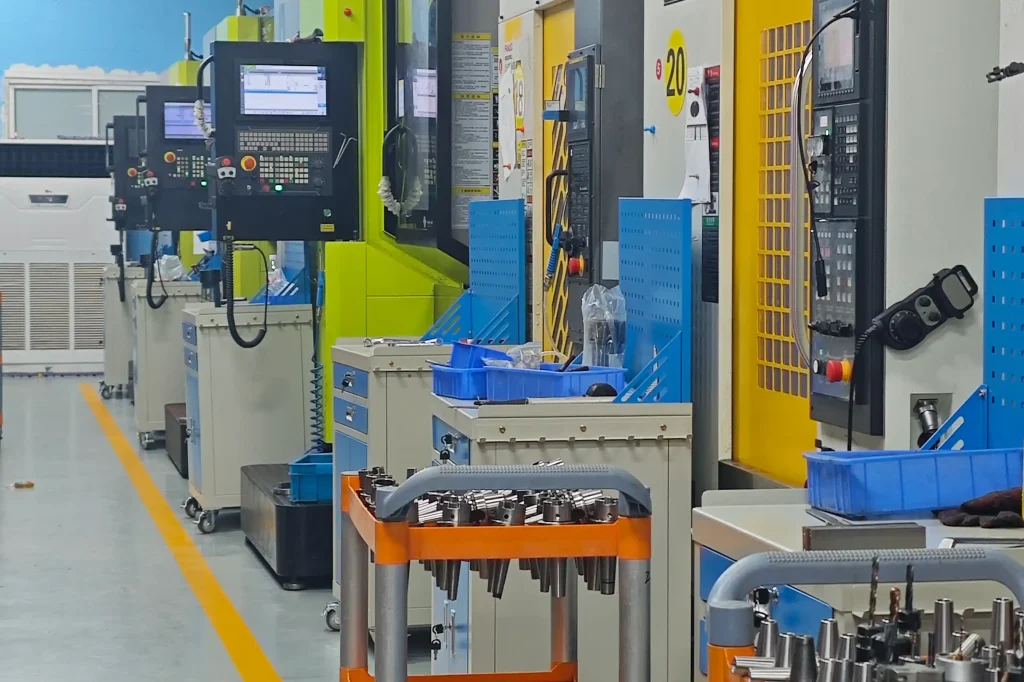
Check the machine and equipment available at their facility. Your supplier must entail advanced multi-axis CNC milling machines, lathes, and precision turning centers for producing precision parts.
Assessing Engineering Support and DFM Expertise
Experienced design engineers always assist you with design and suggest changes (if any) for improving designs depending on your part needs. They will give you a probability of whether your part is manufacturable or not.
This helps you reduce production costs and minimize errors associated with producing the component.
Quality Assurance and Certifications
Ensure that your machining partner services comply with the ISO standards. Ask about their inspection techniques, like CMM checks, First Article Inspection (FAI), calibration, and testing methods.
Communication, Lead Time, and After-Sales Support
Effective communication is a critical aspect for successful project outcomes. Your supplier must give you timely updates and support communication throughout the entire manufacturing cycle, including post-delivery.
Furthermore, ensure that they must entertain urgent requests, so they do not disrupt your project schedule and parts ship on time.
Final Thoughts
Custom machined parts are used when standard (off-the-shelf) components do not meet your design, tolerance, and material requirements. It gives you freedom to choose from a range of materials like aluminum, steel, and titanium to engineering plastics, ceramics, and composites. However, it’s important to select the right materials for optimal part performance. Moreover, understanding tolerances, surface finishes, and manufacturing processes ensures that your parts are precise, functional, and reliable.
At FastPreci, we offer custom CNC machining solutions from project planning to final part delivery. Our team provides;
- Free DFM support to guide your design,
- Helps select the best material and process for your part, and
- Manages every stage of production to ensure quality and consistency.
With ISO-compliant processes, advanced CNC equipment, and experience across industries such as aerospace, automotive, medical, and high-tech manufacturing, our engineers always ensure that your parts are produced accurately, on time, and to the highest standards.
Contact us today and get an instant non-obligatory quote for your project!
FAQ
1. What Information Is Needed to Order Custom Machined Parts?
To get custom machined parts quoted, provide a 3D CAD file (such as STEP or IGES), a 2D engineering drawing, material specifications, required quantities, and any critical tolerances or surface finish requirements. If some details are not finalized, a manufacturer can review the available files and help identify missing specifications.
2. How Much Do Custom Machined Parts Cost?
The cost of custom machined parts depends on material, part geometry, machining time, dimensional tolerances, surface finishing, and order quantity. Complex features and tighter tolerances generally require more machining time and inspection. Ordering multiple parts can also reduce the unit cost by spreading setup expenses across a larger batch.
3. How Long Does It Take to Manufacture Custom Machined Parts?
Lead times depend on part complexity, material availability, machining requirements, and secondary operations. Simple prototypes may be completed within a few days, while parts requiring specialized materials, complex machining, or additional finishing take longer. Production quantities also affect scheduling and delivery time.
4. Can CNC Machining Be Used for Small-Batch Custom Parts?
Yes. CNC machining is well suited for prototypes and small-batch production because it does not require dedicated molds or tooling. Design changes can also be incorporated without the cost of modifying a mold. This makes CNC machining practical for validating designs, producing functional prototypes, and manufacturing limited quantities of custom components.